England leads in market value heading into their clash with Spain, with standout players like Bellingham and Yamal shaping up the competition.

As England gears up to face the reigning world champions, Spain, in the Nations League at Wembley Stadium, their squads are under scrutiny for market value dynamics. Following a thrilling World Cup performance where England secured third place by defeating France 6-4, both teams now rank among the elite in European football. This upcoming match represents more than just a tactical battle on the field; it reflects the shifting economic landscape of international football, where player market values can transcend on-pitch performance.
An Overview of Current Market Valuations
Substantiated by data from FootballWhispers, it's clear that England's squad boasts a higher market value of approximately £1.53 billion, outstripping Spain's valuation of £1.16 billion and positioning them as the most expensive national team globally. This places England ahead of France, which is valued at £1.25 billion, with Argentina trailing at about £825 million. These figures not only reflect player talent and potential but also the commercial viability and popularity of these teams in the footballing world.
How does this breakdown impact the perception of each country in the global football arena? A high market valuation often leads to increased scrutiny, higher expectations for performance, and inevitably plays a role in the attraction of sponsorships and endorsements. Teams with higher valuations often experience a cycle of investment and return, fueling a continuous enhancement of infrastructure and talent development. England's higher valuation positions them favorably as a leading football nation, while for Spain, the decline in market value hints at potential challenges ahead in maintaining their standing in the sport.
England vs. Spain: Most Expensive Players

On a deeper level, England's most valuable player is Jude Bellingham, whose market value stands at approximately £137.6 million. He is joined by fellow talents Bukayo Saka, Morgan Rogers, and Elliot Anderson, each valued at £94.6 million. This is more significant than it looks; Bellingham's steep valuation not only underscores his talent but also his potential to lead England into international success. Conversely, Spain's leading player, Lamine Yamal, is valued even higher at £189.2 million, sharing the world's top player status with Norway's Erling Haaland.
Following Yamal, Spain has Pedri at around £129 million, with Fermin Lopez and Pau Cubarsi valued at approximately £86 million. The competition between these rising stars reflects not just individual brilliance but also the shifting strategies of each national team. England seems to focus on nurturing young talents who have demonstrated consistent performance at club level, whereas Spain's model appears to combine innovation with tradition, relying on both established and emerging players. The contrast can tell us much about each team's preparation for the future.
England vs. Spain: Least Expensive Players
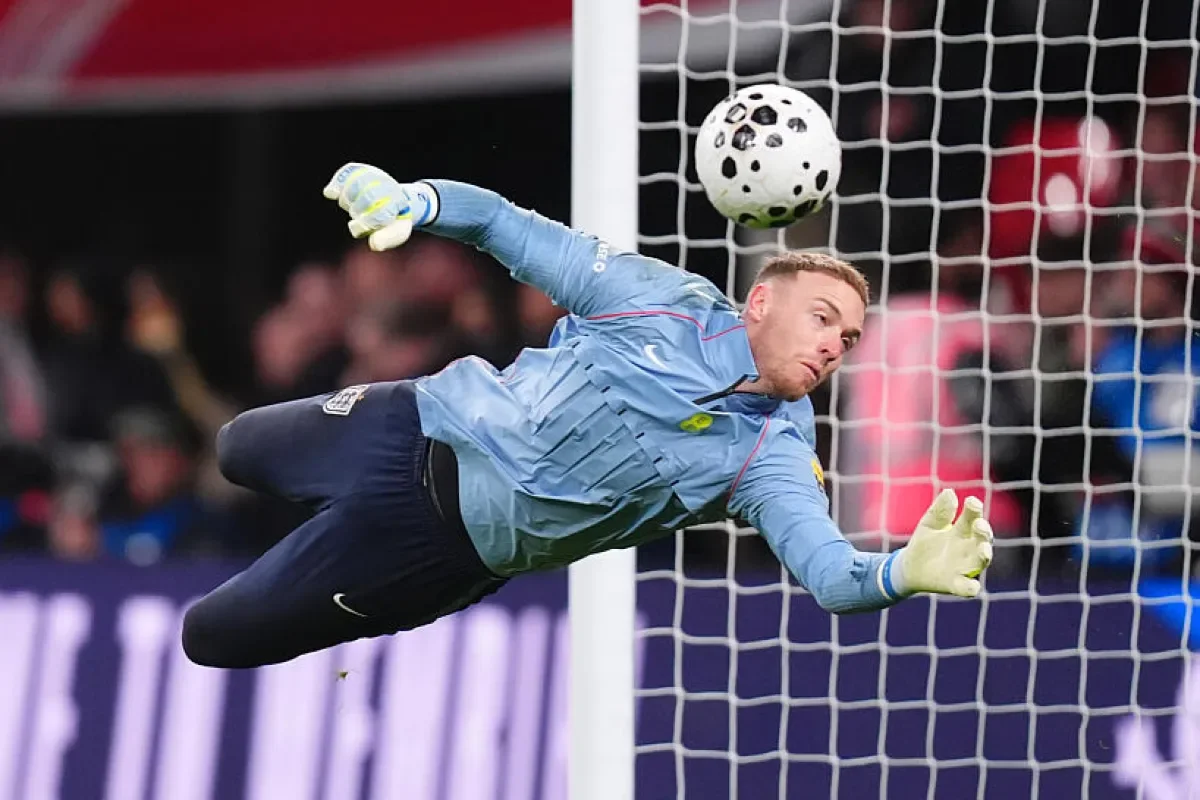
Examining the lower end of the market value spectrum provides another insight into each team's strategy. England’s least expensive player is goalkeeper Jason Steele, worth about £430,000. He is followed by Jordan Pickford (£11.18 million), Dominic Calvert-Lewin (£18.92 million), and James Trafford (£21.5 million). Interestingly, this mix features three goalkeepers in England's lower-value ranks, which raises questions about depth in other positions. If you're working in this space, evaluating player performance beyond market value will be essential for success.
Spain's least pricy talent is Aymeric Laporte, valued at £6.88 million, with Josep Martinez and Roberto Fernandez close behind, each at £8.6 million. Notably, two of these players are uncapped, which may reflect a transitional phase for the national squad. This dual trend of having experienced players alongside newcomers can be indicative of broader changes within the Spanish football system. Keeping a balance between established talent and fresh faces is essential for longevity in international competitions.
England vs. Spain: Transfer Records

Market transactions this summer placed Morgan Rogers as England's most expensive player, transferring from Aston Villa to Chelsea for a staggering £118.68 million. This transfer not only sets a financial benchmark for future negotiations but can also put pressure on both player and club to perform. Conversely, Spain's record transfer remains Kepa Arrizabalaga at £68.8 million from Athletic Club to Chelsea, which is significant—yet he doesn't even rank among the top 50 all-time transfers. This discrepancy is noteworthy, pointing towards some disparities in market activity between the two footballing nations.
Implications and Future Outlook
The increasing market valuations of players and teams hint at a financial arms race in football. As teams invest more heavily in young talents, the pressure mounts to achieve results quickly. For both England and Spain, this could lead to pivotal changes in team selection, coaching strategies, and overall football philosophy. Failure to adapt could result in stunted growth, ultimately impacting national pride and financial stability in their respective leagues.
The situation raises questions about sustainability in football economics. As clubs continue to shell out big bucks for transfers, they must also consider the long-term implications of these investments. Will this current approach yield continuous success, or may it create an environment where only the richest clubs thrive while others falter? The path these two nations choose could define not just their immediate futures but also the trajectory of international football itself.
Discussion
Sign in to join the discussion.