At 39, Lionel Messi's peak valuation could hit €300 million to €400 million, reflecting modern transfer dynamics and his extraordinary legacy.
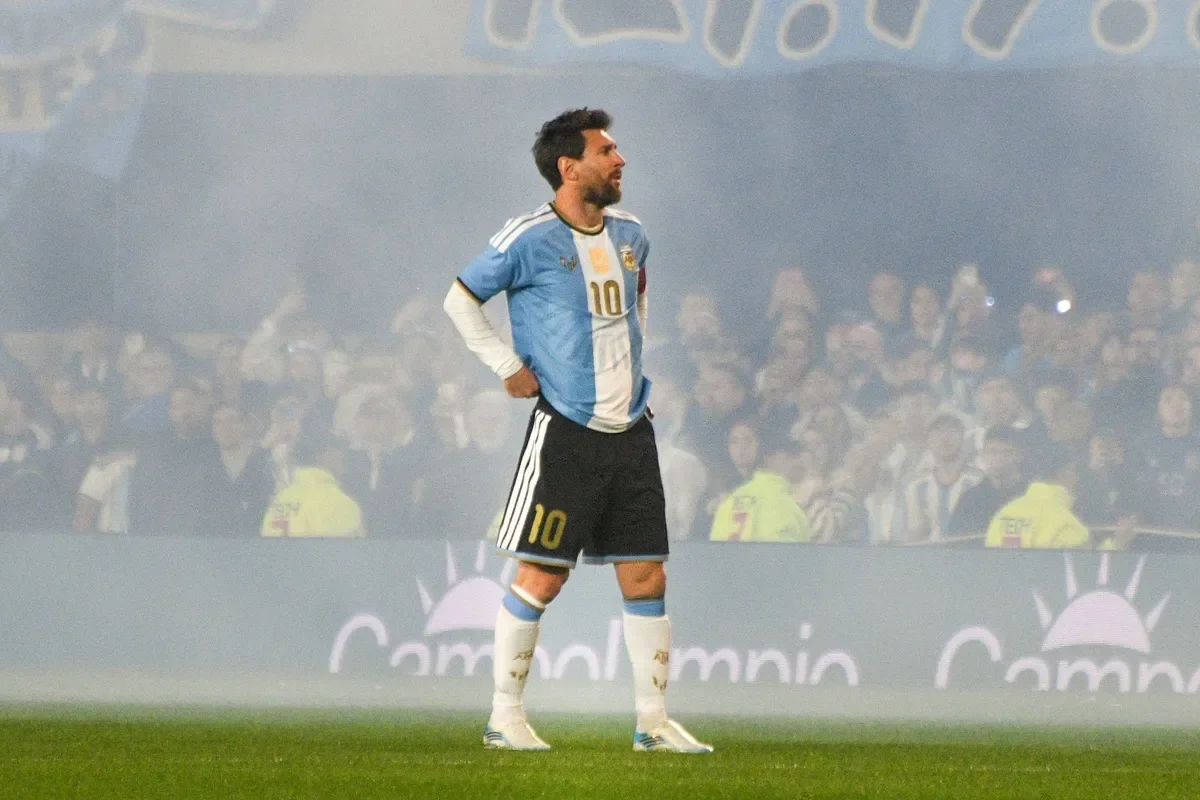
Lionel Messi's recent retirement from the Argentina national team invites intriguing speculation about how much his prime self would fetch in today’s transfer market. At 39, while his current transfer value stands at a mere €15 million, the hypothetical price during his prime could rewrite football's financial history.
Messi's farewell match on October 6, where he showcased his historic talent by scoring a penalty and assisting twice in a 3-0 victory over Benin, is a fitting encapsulation of his illustrious career. With 126 international goals and a World Cup title under his belt, Messi is viewed as the pinnacle of Argentine football—a status that invites reflections on his past achievements and their impact on the sport.
Shifting Transfer Market Dynamics
To provide context, Messi's peak valuation was recorded at €180 million in 2018, a period marked by unprecedented financial maneuvers in football. However, that figure exists within a vastly different transfer ecosystem than the one we see today. Transfer fees are soaring, driven by various factors like increased broadcast deals and ever-growing global fan engagement. Currently, the market leaders include Lamine Yamal and Erling Haaland, both currently valued at €220 million, reflecting the soaring fees that clubs are willing to pay in a bid to secure talent.
Transfer market trends illustrate a rapid increase in player valuations over the years. Neymar's blockbuster move to Paris Saint-Germain for €222 million still holds as the record, representing a watershed moment that reshaped transfer expectations. Moreover, just within 2026, fees have already reached staggering heights, like €145 million for Enzo Fernández and €138 million for Morgan Rogers. These exorbitant sums indicate a market willing to stretch at the elite level, often disregarding previous financial thresholds.
Potential Valuation of Prime Messi
Given the current climate, one could conservatively estimate Messi's prime valuation at around €300 million. However, some forecasts suggest this figure could soar between €350 million and €400 million. This assessment considers not only Messi's jaw-dropping statistics but also his unparalleled commercial appeal, which extends beyond mere on-field performance to his global branding power.
Messi wasn't merely a prolific scorer; he transformed the game into an art form. His vision on the pitch was unparalleled, allowing him to influence the dynamics of a match in ways many players cannot. This quality makes him invaluable to any prospective club. Imagining his arrival as a 25-year-old in today's environment, where he would command four Ballon d'Or awards, paints a clear picture of his immense worth. (and this is the part most people overlook) While clubs often focus solely on tangible statistics, Messi’s psychological impact—his ability to elevate the performance of those around him—Shouldn't be dismissed.
This valuation would place Messi significantly above Neymar's existing record and also surpass the €200 million figures linked to today's stars like Mbappé, Haaland, and Yamal. Even in negotiations that might reduce the fee, Messi would undeniably emerge as the highest-valued player in football history. This alone raises some eyebrows. Could any player be worth that much, especially in today's inflated market?
It’s essential to differentiate theoretical market value from the actual price a club might pretend to pay. For instance, while Yamal's €200 million valuation by Transfermarkt symbolizes a significant worth, Barcelona might not be inclined to let him go at that price. Similarly, Messi's hypothetical €300 million valuation signifies his talent and commercial viability rather than a concrete transfer figure. The negotiations that would follow any such valuation would likely be complex, riddled with uncertainty and inflated expectations.
Implications for the Future of Football Transfers
As Messi's retirement marks the end of an era, the future of transfer values hangs in the balance. The shifting dynamics of financial planning in football could change the way clubs assess player worth. With broadcasting revenues climbing, player valuations are likely to keep escalating, but how sustainable is this trend? If you're working in this space, be prepared for volatility. Clubs will have to continuously reassess their strategies regarding player recruitment and retention.
With his peak performance still fresh in the minds of football fans, adjusting for today’s financial context—like increased broadcasting revenues and inflated transfer fees—one might argue that a €250 million transfer for Messi would be seen as conservative in hindsight. This isn't merely speculation; it highlights how the intersection of athletics and economics shapes football.
Thus, as Messi bids farewell to his national team, it becomes evident that while his present valuation appears diminished, the version of Messi that reshaped the sport would undeniably occupy a unique space at the pinnacle of the transfer market. Arguably, any attempt to quantify his value risks underestimating the legacy of one of football's all-time greats. Messi truly stands as a player whose worth transcends mere numbers. This isn’t just about cash; it’s about legacy and influence in a sport that thrives on both.
Discussion
Sign in to join the discussion.