Jose Mourinho opens up about his emotional exit from a Manchester United agreement in 2013, favoring Chelsea amid a legacy of loyalty.
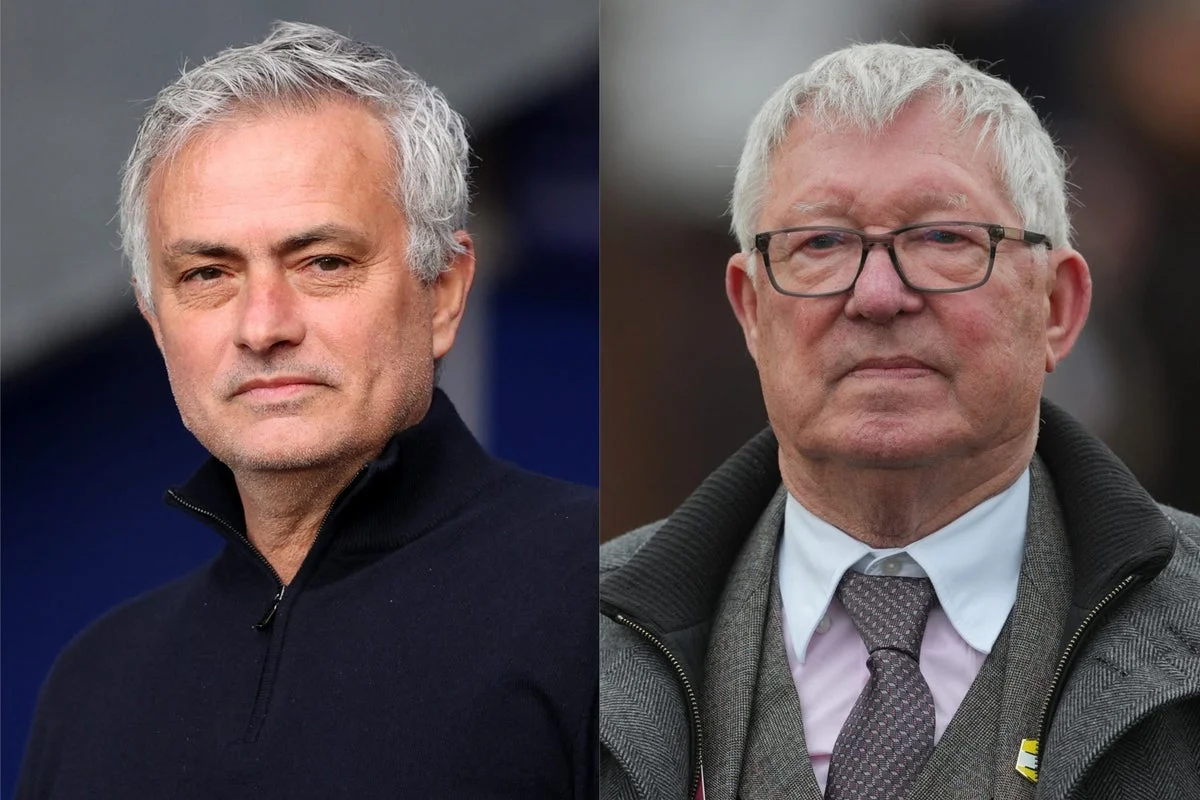
In a revealing moment from his new Netflix documentary, José Mourinho shared a significant yet emotional turning point in his career, disclosing that he had signed a contract to succeed Sir Alex Ferguson as Manchester United's manager in 2013. However, in a twist that surprised many, he ultimately chose to return to Chelsea instead.
The Impact of Sir Alex Ferguson’s Departure
The announcement of Ferguson's retirement sent shockwaves through the football community. Having led Manchester United to 13 Premier League titles, Ferguson's departure left a considerable void. The club was on the hunt for a successor who could match Ferguson's immense success and maintain the high standards embedded in United's culture. Mourinho at that time seemed a prime candidate, known for his tactical acumen and strong personality. The footballing world buzzed with ideas of how he could modernize and inspire the team in the post-Ferguson era.
Yet, this search wasn't just about finding a new face; it was a matter of preserving a legacy. Ferguson had not only been a manager but a towering figure in the sport. His removal from the managerial position raised questions about Manchester United’s direction, ambition, and identity. In such a charged atmosphere, Mourinho’s apparent willingness to step in only fueled hopes but also expectations that would be hard to meet.
Mourinho’s Emotional Journey to Chelsea
Despite the initial agreement with Manchester United, Mourinho’s plans took an unexpected turn. After leaving Real Madrid, he was indeed flattered by the prospect of managing at United, a club he holds in high esteem, referring to it as almost on par with Real Madrid in terms of football legacy. “When I left Real Madrid, I signed with Manchester United to go to Manchester United after Sir Alex,” the Portuguese manager recalled in the documentary. This statement indicates a longing for not just a high-profile position, but a connection to a club steeped in history.
However, the attachment he felt for Chelsea, where he had enjoyed considerable success, proved to be a more compelling pull. The allure of returning to a familiar environment where he had already achieved great things played a powerful role in his decision-making process. He expressed that this emotional connection trumped even his fondness for football itself, revealing a more personal side to a manager often portrayed as cold and calculating. “I think this is more powerful than love for football and, fundamentally, after Real Madrid, I needed to feel that I’m loved,” Mourinho elaborated, citing emotional ties that weighed heavily in his decision.
A Defining Phone Call with Ferguson
Amid this turmoil, Mourinho recounted the pivotal moment when he contacted Ferguson: “Early evening, he phoned me and he was crying. And he says, ‘Alex, I can’t take it – I’ve given my word to Chelsea, and I’m not going to break my word.’” Ferguson admitted he was caught off guard by Mourinho’s emotional struggle, expressing disappointment yet understanding for the decision. The gravity of this exchange highlights an essential aspect of football’s managerial world, where emotions can sometimes overshadow professional ambitions.
This conversation didn't just reflect a personal interaction; it offered insights into the profound respect and camaraderie shared among top managers, even rivals. Ferguson's emotional response underscores how deeply intertwined personal and professional decisions can be in such a high-stakes environment—the age-old battle between passion and duty, loyalty and ambition. It's a reminder that even the most esteemed figures in football are human and face dilemmas that resonate beyond the pitch.
Mourinho’s Record at Chelsea
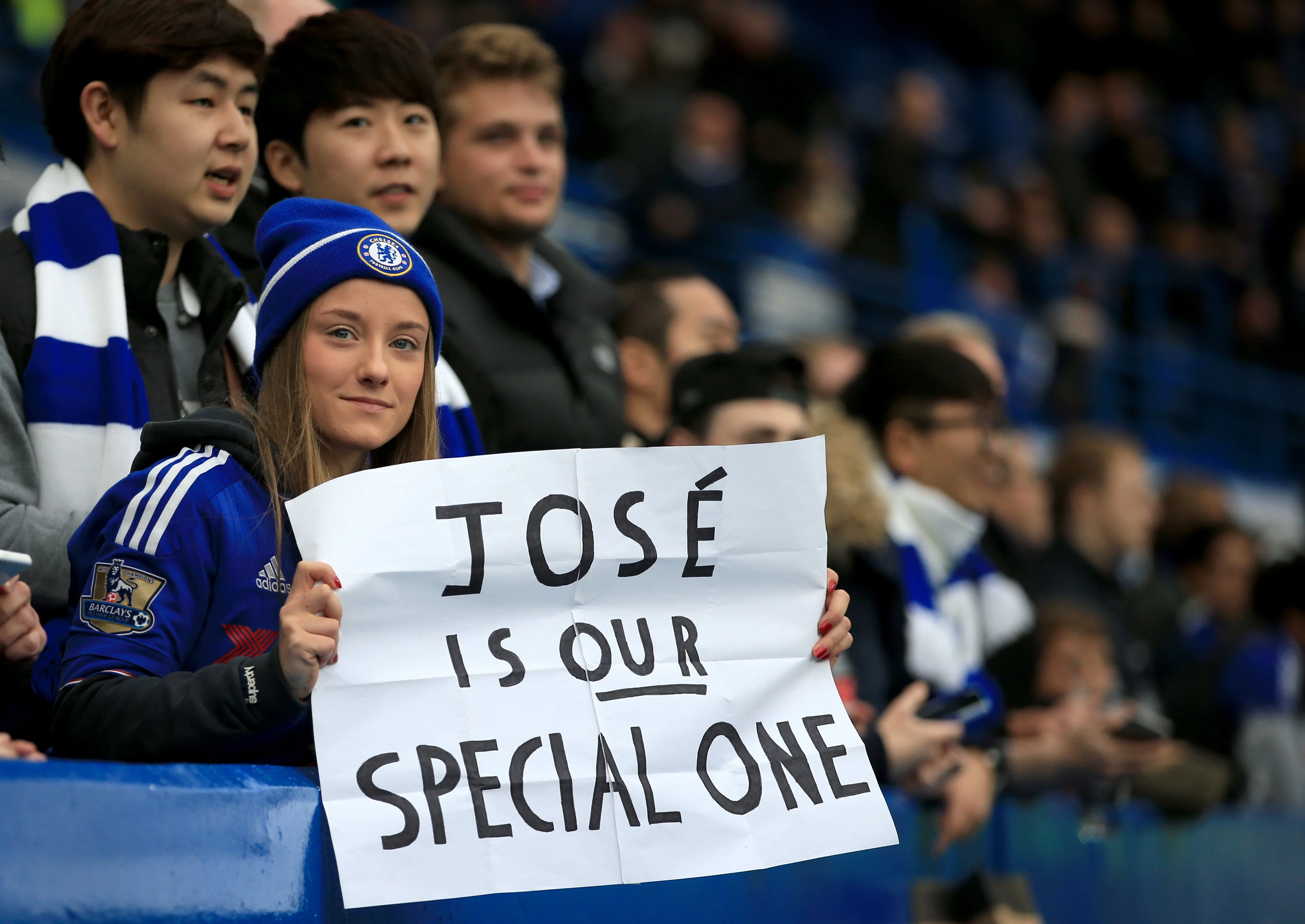
Mourinho’s loyalty to Chelsea is undeniable, having delivered two Premier League titles, an FA Cup, and two League Cups during his first stint. The statistics speak for themselves: his magic touch transformed Chelsea into a title-winning team. When he returned to Stamford Bridge after his time at Real Madrid, he captured another league title and a League Cup, further solidifying his legacy with the club. Each time he walked through the doors of Chelsea, he seemed to rekindle an almost familial bond with the club, undoubtedly made stronger by his past successes and the affection from fans and players alike.
The Weight of Regret and Reflection
Mourinho reflected on the repercussions of his decision, stating, “For me to lose the chance to be the coach to succeed Sir Alex Ferguson was dramatic, but I don’t regret it because it was a decision that I made with my heart.” This assessment isn't merely a nod to sentimentality; it opens up a broader discussion about the role of emotion in sports leadership. Managers often make decisions that never make it into the public narrative. The pressures of expectation versus personal attachments is a narrative arc that endlessly fascinates football fans.
Now, as he finds himself manager of Real Madrid once again, Mourinho appears more reflective about loyalty, legacy, and the emotional connections that define a footballing career. “I went back with the feeling of, yes, I go home, but with big responsibility because what I did before is history, and you don’t want to destroy your legacy,” he concluded, leaving fans and pundits alike to ponder what might have been for both him and Manchester United. (and this is the part most people overlook) The question remains: had he chosen differently, what impact could he have had on Manchester United's direction? Would he have been the architect of a new era, or would he have faced the same challenges that beset so many who came after Ferguson?
Implications for the Future
This narrative isn't just a reflection on Mourinho's choices; it also poses significant questions about how clubs manage transitions in leadership. For anyone working in this space, looking at these events can provide insights into the emotional and psychological factors that shape decision-making at the highest levels in football. If football is about strategy and tactics, it’s also about human relationships and loyalty, aspects that often remain invisible but are equally critical. As clubs search for their next leaders, they must consider not just tactical prowess but the emotional intelligence and connection a manager can forge with fans and players alike.
The stakes are high in football management, and the emotional complexities of decisions like Mourinho's illustrate that professional careers in sports are more than just business. They reflect personal journeys, conflicts, and sometimes painful choices that will resonate long after the final whistle blows.
Discussion
Sign in to join the discussion.