Turki Alalshikh has ended his attempt to purchase Derby County due to delays in the takeover process, leaving the club under current ownership.
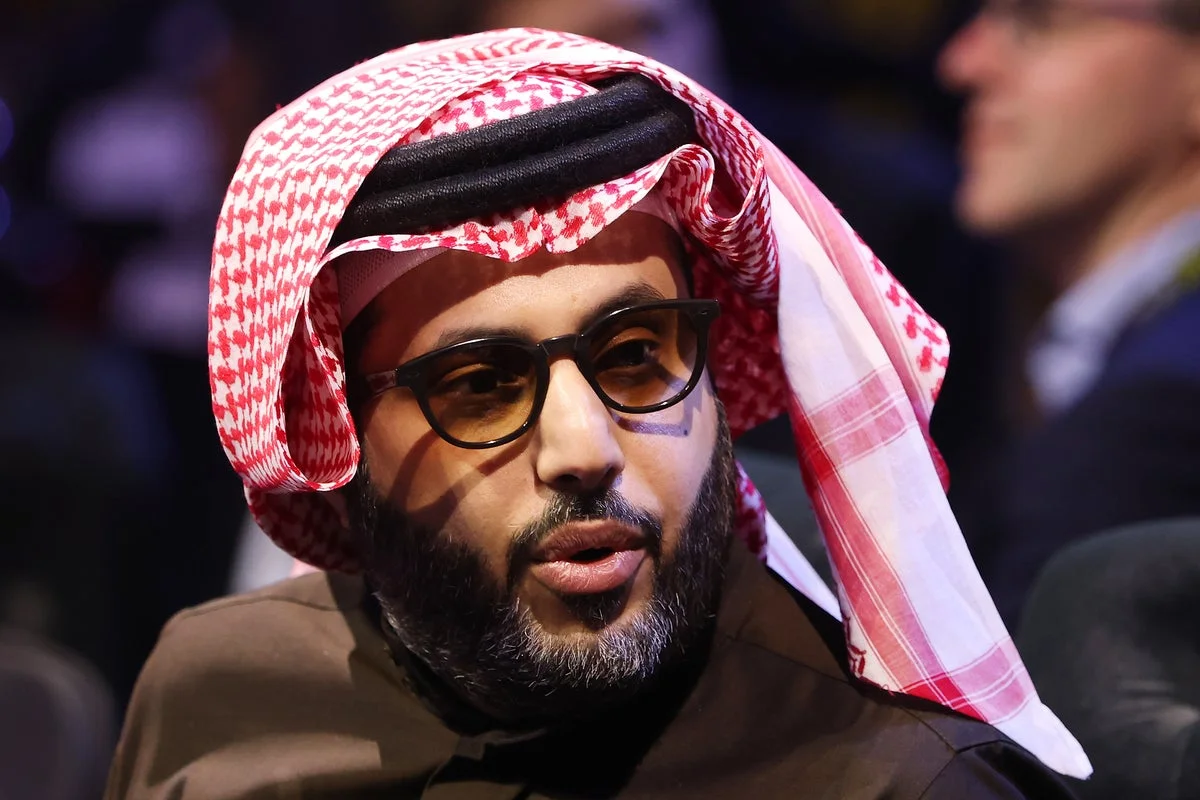
Turki Alalshikh, a prominent Saudi government official and boxing executive, has formally withdrawn his bid to acquire Derby County. The club confirmed that discussions regarding the transfer of ownership to Alalshikh's Lion Sport have ceased, stating that Derby is now "off the market." Alalshikh’s exit marks a significant turn in the saga of Derby County’s ongoing ownership drama and raises several questions about the current and future management of the club.
Background on Derby County's Ownership Saga
Derby County has had a tumultuous period in terms of ownership and financial stability, a recurrent theme among English football clubs. Once a historical member of the Premier League and a two-time league champion, the club faced considerable challenges in recent years, including administration proceedings initiated in late 2021. This administrative struggle, coupled with looming financial constraints, prompted the club to seek new ownership to ensure its survival and competitive spirit.
Alalshikh's interest in investing in Derby highlighted the broader trend of overseas investments in English football. Significant investments from foreign ownership groups have reshaped teams across the league. However, Alalshikh’s background in sports, particularly as the chairman of Saudi Arabia’s General Entertainment Authority and his ties to global sports promotions, added an intriguing angle to this pursuit. It's a stark reminder of how international interests are interweaving with traditional English football.
The Withdrawal: Timing and Circumstances
Negotiations regarding Alalshikh's bid had previously progressed with approvals from both the Independent Football Regulator (IFR) and the EFL. Derby received the green light just last week, which seemingly set the stage for a smooth transition. However, the abrupt withdrawal has raised eyebrows and left many speculating about the underlying reasons for Alalshikh's decision.
Alalshikh cited the lengthy IFR ratification process as a major barrier, stating it left him insufficient time to adequately prepare for the upcoming season. He expressed his respect for the IFR's necessary procedures but noted that with the season already in progress, there was no way to adequately ready the club. “We understood that the IFR process takes time and fully respect the importance of that," he shared via X. "But unfortunately with the season already started, it would leave us with no time to prepare the team or the club for the season ahead.”
It’s telling that he’s chosen to articulate his frustrations publicly. Many potential investors have faced similar regulatory hurdles, which raises questions about the ability of football's governing bodies to facilitate timely ownership transfers. This is especially pertinent in a league where commercial timeliness often dictates success, and clubs must be primed for competition.
The Future of Derby County
Derby’s response to Alalshikh’s withdrawal was noteworthy: “Today the club received notice that Lion Sport no longer wanted to continue with the purchase. For the benefit of any doubt, the club is now off the market and will continue to operate under the loyal, committed and unwavering support of Clowes Developments.” This statement signals an effort to reassure fans and stakeholders that Derby is in stable hands, at least for the immediate future. Clowes Developments, which had previously been involved in facilitating the club’s administration process, will continue its support.
However, this might not settle the anxieties of fans who have witnessed multiple changes in ownership and operational strategies. If you're working in this space, you know that stability is more than just financial backing; it's about a shared vision and tangible progress on the pitch. Clowes' management will need to communicate effectively while actively engaging with players, staff, and fans alike to foster a sense of unity.
Implications and Future Outlook
Alalshikh’s decision to withdraw from the bid could have wider implications, not just for Derby County but for the business of sports investments in the UK. His exit may discourage potential investors who could view the IFR hurdles as insurmountable or at least excessively cumbersome. The complexities of ownership transitions, particularly from foreign entities, necessitate a re-evaluation of how football clubs are governed and regulated.
The overarching concern remains: how can leagues attract foreign investment while ensuring compliance with rigorous standards? Discussions among governance bodies about expediting approval processes might gain traction after this episode. Additionally, other clubs facing similar pressures might reconsider their own approaches to investment and ownership changes.
The situation is fluid. Alalshikh has expressed a commitment to maintain dialogue with Derby County for potential collaboration in the future. He has substantial influence in the sports world, having co-founded promotion Zuffa alongside UFC president Dana White. That connection may help in forging future partnerships or investments. (and this is the part most people overlook) This could pave the way for valuable joint ventures that benefit both the club and his interests, perhaps not in ownership but in other capacities.
Meanwhile, as Derby County heads into its league campaign, they’ll be looking to solidify their performance on the pitch amidst the uncertainty surrounding their ownership. The forthcoming matches, starting with their debut against Charlton on Saturday, will be crucial in determining the mood of both the team and the fanbase. Will they thrive under the uncertainty, or will looming ownership questions cast a long shadow on the field? Only time will tell.
Discussion
Sign in to join the discussion.