Virgil van Dijk steps into a critical role for Liverpool this season, balancing leadership and performance as the team undergoes significant changes.
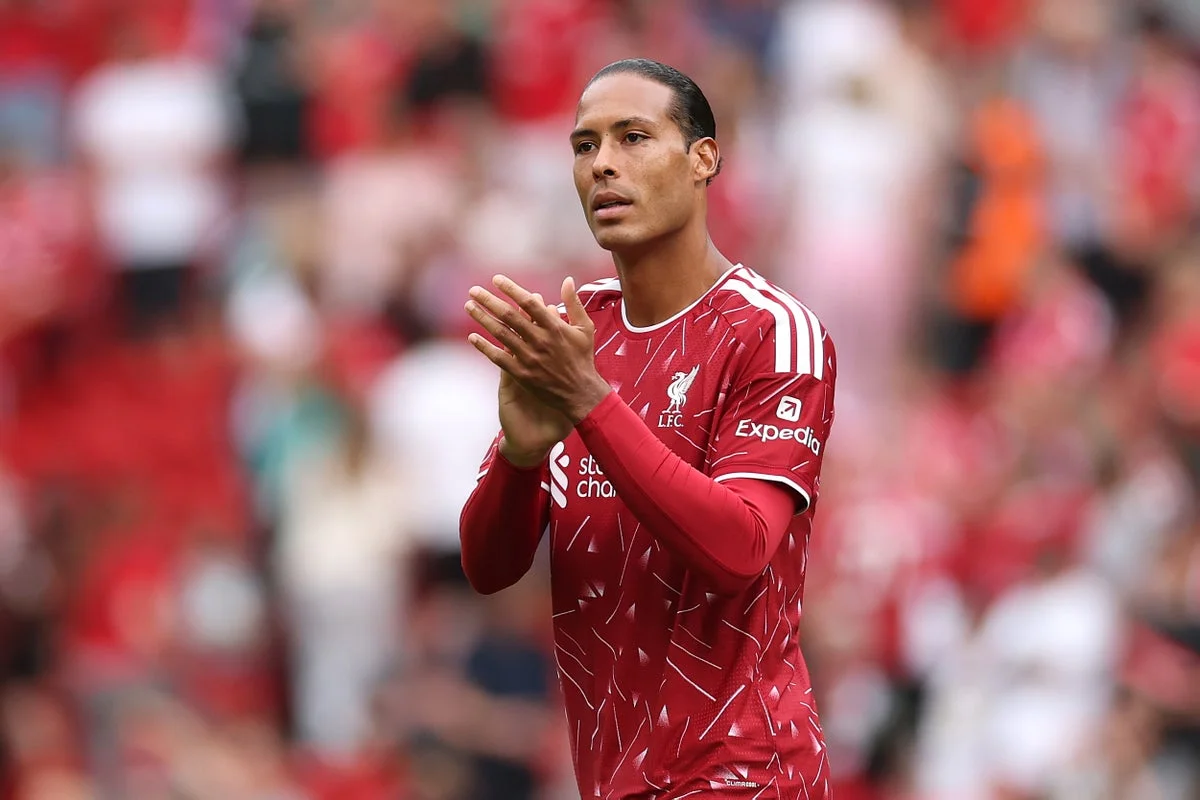
At 35, Virgil van Dijk stands as Liverpool's sole seasoned centre-back amid a backdrop of rebuilding. With a fresh manager at the helm and exciting, younger players joining, the Dutch international prepares for another demanding season ahead. Liverpool's current situation illustrates a pivotal moment for the club as it attempts to re-establish itself as a formidable force in English and European football.
Despite a rocky pre-season start, including a penalty conceded during a 3-2 loss to Monaco, Van Dijk remains adamant about his fitness and readiness. "You have to take care of yourself," he stated, emphasizing the importance of preparation for intense match schedules. His philosophy points to a growing trend among elite athletes focusing not only on physical training but also mental and emotional well-being as competition intensifies.
Balancing Experience with Youth
As Liverpool welcomes new talents like Giovanni Leoni and Jeremy Jacquet, both aged 19 and 21, Van Dijk’s experience becomes particularly valuable. He joined the club at 26, and his journey in professional football has already resulted in over 731 appearances. Last season, he outdid every player in Europe's top five leagues with an astounding 6,121 playing minutes, providing a crucial presence for Liverpool and the Netherlands. While statistics provide one view of his performance, the qualitative aspects of his leadership and on-field decision-making are equally significant.
With Joe Gomez sidelined due to injury, Liverpool's dependence on Van Dijk intensifies, especially with new acquisition Ronald Araujo arriving on loan from Barcelona. Their defensive lineup appears thin at the moment, compelling Van Dijk to shoulder considerable responsibility. “It’s the bare minimum for me,” he remarked. “I feel the responsibility to be ready for each and every game.” His statements reflect an important dynamic where a player's self-assessment becomes a motivational tool for younger teammates, influencing not just their performance but their comprehension of what it means to represent a club like Liverpool.
Surviving the Heavy Workload
The prospect of a taxing season doesn't intimidate him. His training plan is meticulous, designed to maintain peak physical condition while mentally preparing for the rigors of competitive play. Van Dijk, who identifies as a late bloomer in football, believes he can extend his career longevity by continuing to perform at a high level. This assertion isn't just bravado; more athletes are recognizing that with age comes wisdom and tactical awareness, allowing them to adapt their styles to mitigate the impact of physical decline.
His approach includes ensuring he is mentally refreshed; he opted out of friendlies across the Atlantic in favor of relaxing at Liverpool’s training facility. That's a tactical decision that not many players prioritize. Mental fatigue can lead to physical errors on the pitch, and Van Dijk seems keenly aware that self-care goes beyond just physical fitness. This strategy reflects a broader shift in sports where mental preparation is finally getting the attention it deserves.
In a remarkable show of leadership, Van Dijk has connected with young prospects like Ibrahima Konate and Ifeanyi Ndukwe, the latter an 18-year-old talent who unfortunately cannot yet secure a work permit. Van Dijk commended Ndukwe's potential but acknowledged the need for the player to gain experience on loan. "Let’s see where he ends up," he added, highlighting Liverpool's commitment to developing young talent within its ranks. This mentorship role can’t be understated—it’s a vital component in ensuring that younger players not only fit into the first team but blossom into strong contributors.
Welcoming Change
Amidst the changing roster, Van Dijk's commitment to fostering a cohesive environment remains unwavering. He vocalizes his support for new manager Andoni Iraola, vowing to assist him however possible. “I’m here for him regardless,” he assured, reflecting her readiness to contribute to the team's evolving dynamics. Yet, with key players like Ibrahima Konate and Andy Robertson departing, Liverpool risks cultivating a younger squad that could place even greater demands on Van Dijk. He's keenly aware that pitfalls abound in transitions, where a lack of synchronization can lead to disappointing results.
He acknowledges the transition occurring within the club and emphasizes the collective goal of building lasting success. "It feels like a transition, for sure," he admitted. "We need to ensure we’re building something that will be successful for years to come." This perspective sheds light on the broader implications of squad changes. Relying on a youthful roster can spark moments of brilliance but may also invite inconsistencies, which are even more pronounced in high-pressure situations.
The Road Ahead
As he enters the final season of his contract, nearing 40 years of age, Van Dijk's future at Liverpool may be uncertain, but his intention to remain a pivotal part of the team is clear. His leadership will be vital in guiding younger players through the challenges of a high-stakes season. The veteran defender appears committed not only to his own performance but to the well-being and development of his teammates as Liverpool embarks on this new chapter. If you're working in this space, this could represent a fascinating case study in managing aging talent while facilitating a youth influx.
In a swirl of uncertainty, Van Dijk stands as a pillar of reliability for Liverpool, equipped to navigate the challenges ahead while influencing the next generation of talent. The next few months won't just impact his career but potentially shape the trajectory of the club as a whole. And this is the part most people overlook: the significance of leadership in times of change cannot be overstated. Choices made in this transitional phase will define Liverpool's identity for years to come.
Discussion
Sign in to join the discussion.